Officine Adda, The Seasons of the East
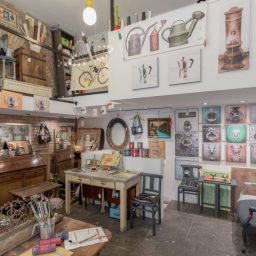
During the Rome Art Week, Officine Adda presents a collection of panels inspired by Japanese tradition, dedicated to the months of the year and the four seasons.
Each panel captures a fragment of nature through the meeting of a plant and a small bird or insect—delicate presences that define its character and atmosphere. The works are printed and then retouched by hand, enriched with a refined application of gold metal leaf, meticulously crafted by hand.
In the ancient Japanese calendar, each month has an evocative name, capable of conveying an image, a gesture, or a suggestion connected to the rhythm of nature and everyday life. Mutsuki is the month of harmony; Minazuki, the month without water, because all the water is gathered in the rice fields; while Shiwasu is the month when even the masters hurry, busy with preparations for the end of the year.
These inspirations have given rise to a series of panels dedicated to the twelve months, in which every element becomes part of a visual narrative: the rising sun in January, rapeseed flowers in February, a duck resting on a rock in November, and a snow-covered plum tree in December. These essential images reveal nature through details, colours, and golden reflections.
In the panels dedicated to the seasons, characteristic plants and flowers intertwine in compositions animated by a broader, more fluid movement. It is like a gentle breath passing across the surface, bringing the vegetation to life and continuing without ever coming to a stop, evoking the constant transformation of the landscape.
Through the delicacy of the lines, the preciousness of the metal leaf, and the care devoted to each handcrafted detail, Officine Adda pays tribute to Japanese aesthetic sensibility and its ability to capture beauty in the passage of time, in the smallest details, and in the quiet harmony of nature.
STAGIONI D'ORIENTE
Officine Adda – "The Seasons of the East". During the Rome Art Week, Officine Adda presents a collection of panels inspired by Japanese tradition, dedicated to the months of the year and the four seasons.


Edition
2026
Type
Exposition
Free access
Exhibition period
21-25 Oct 2026
Location
Officine Adda
via degli zingari 37 - 00184 Roma
Accessibility
Disability accessible location
Opening Hours
dalle 14:00/19:00
Contact
Directions
Exposition - Codice evento OOZEMJ - ID 7173
The events included in the Rome Art Week (RAW) program and organized by participants (venues, artists, curators) are independent and under the sole responsibility of the organizers. Kou - Association for the Promotion of Visual Arts and Rome Art Week do not assume any responsibility for the accuracy of the informational content related to the events, for compliance with copyright or any other legal regulations, nor for obtaining the necessary authorizations for the events.
Furthermore, Kou and RAW are not liable for any moral or material damages that may occur to visitors during their participation in these events.
Furthermore, Kou and RAW are not liable for any moral or material damages that may occur to visitors during their participation in these events.
Post
Story
Whatsapp